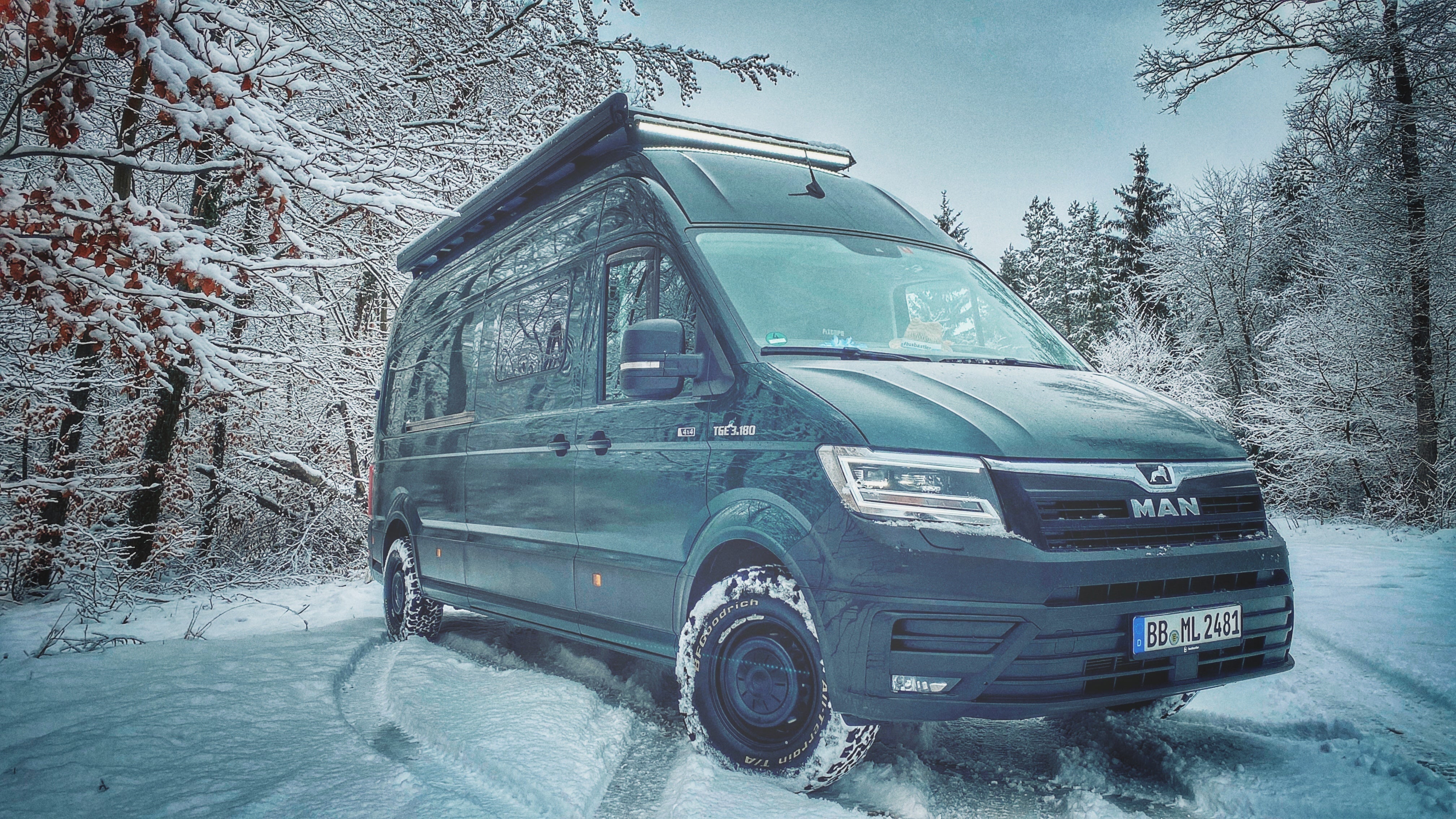

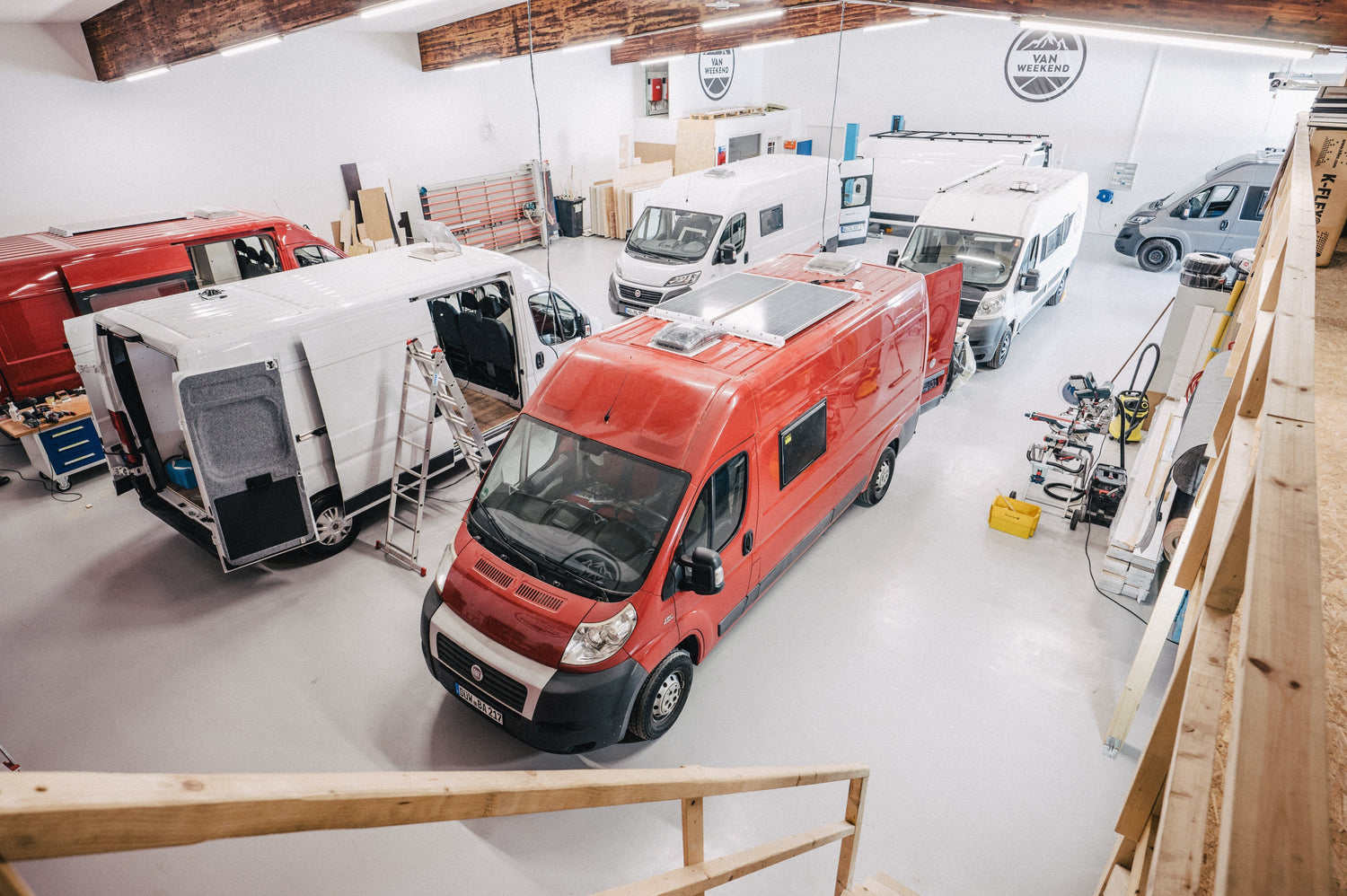
Hi, in today’s blog post, we’re going to talk about how you can get started on your camping/van life adventure. It all starts with the vehicle! So we’ll take a look at what to consider beforehand and what you need to get on the road. Spoiler: Very little!
We’ll walk you through everything step by step so you know what to look for during your search

Image: Steven Funk
How do you find the right vehicle for camping and van life?
It’s actually quite simple: You just need to figure out four basic things about your vehicle: size, comfort, appearance, and travel destinations. What do I mean by that? Don’t worry—we’ll go into detail on that right away.
The most important factor is, of course, the vehicle itself—and even here, we could open up a whole can of worms and ask ourselves, “Which vehicle is actually the right one?” First, let’s focus on how big the vehicle can or should be. To figure that out, you need to ask yourself:
-
Do I regularly drive in cities and need to fit into standard parking spaces, garages, or underground parking garages?
-
How many people am I traveling with?
-
What kind of gear do I want to bring along (bikes, boards, etc.)?
The second point you should clarify for yourself is the level of comfort you’d like to have on your trips. Is a simple mattress enough, since everything else happens outside anyway? Or would you prefer a cozy little apartment on four wheels with heating, a shower, a projector, and maybe even a real, small wood-burning stove?
Last but not least, you should also actually like the vehicle. You’ll be spending many kilometers in it, so you should feel comfortable inside—but still: Please make sure the vehicle is in good to very good condition. It’s easy to cut corners in the wrong place here! How often do we see people buy what they think is a bargain, then invest a lot of effort, time, and money into converting it, only to have their first trip come to an abrupt end because the vehicle breaks down?
Another factor to consider when choosing a vehicle is where your travels will take you. Do you spend a lot of time in hot climates? If so, light colors are an advantage. Do you spend a lot of time off the beaten path? Then four-wheel drive can be helpful. Do you prefer camping sites or RV parks? Then you can save a lot of money and take advantage of the local infrastructure.
Oh, and spare parts! The older a vehicle is, the more you should check various classifieds sites to see what the spare parts availability is generally like. Thoroughly researching vehicle-specific forums and groups can also give you a very good idea of what to expect after purchasing the vehicle in question.
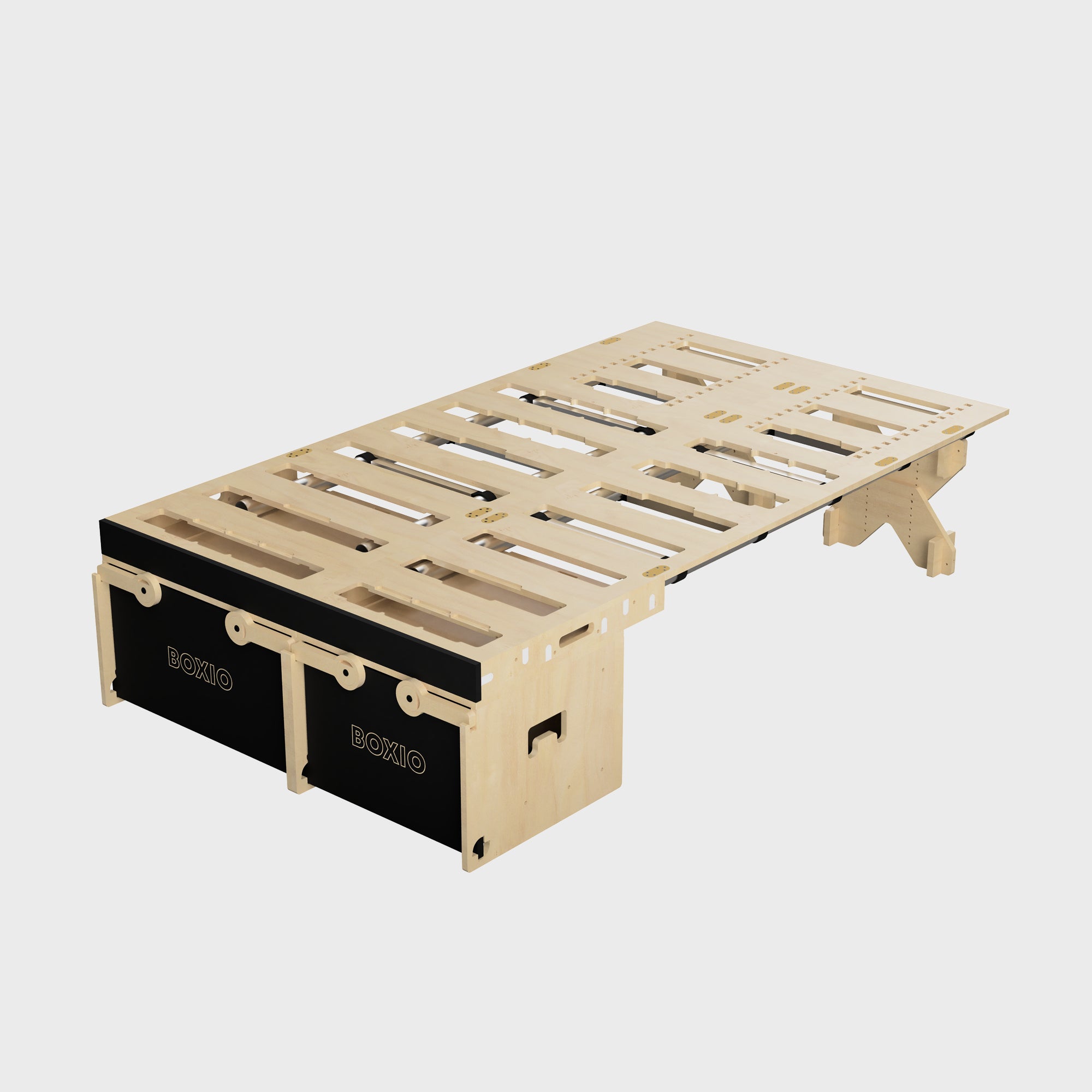
BOXIO RACK BOX + BED L I Modular camping box
What should you pay special attention to before buying a vehicle?
This brings us straight to the point where many people act on their gut feeling far too quickly and often make hasty decisions. I know this all too well myself: You see a vehicle online, fall head over heels in love with it right away because the description is really well-written, and—perhaps because you’ve already driven a long way for a test drive—you overlook many minor issues and end up in for a rude awakening.
So here’s my advice: For any vehicles you’re considering, meticulously scour all the forums, groups, and websites you can find. You’ll often find valuable insights there. For example, in a T4 forum, you might learn that the sills below the doors are prone to rust. This is often covered up with undercoating before the vehicle is sold. So make a note of all the defects you notice frequently—and especially those you can’t fix yourself. Example: If a seized parking brake cable or—as just described—a large rust hole in the sill doesn’t bother you, and you perhaps have friends or family with the necessary expertise and, ideally, a lift, then you can safely keep that in mind. If you’d have to take it to a repair shop for that and you’re on a tight budget, then unfortunately this vehicle isn’t for you. Make a note of all these defects and inspect the vehicles accordingly.
If you don’t feel confident doing this yourself, there are online buying guides or services offered by vehicle inspection agencies (TÜV, KÜS, GTÜ, etc.) that, for a reasonable fee, can take a look at the vehicles and provide you with an assessment of their condition and value.
Another good way to filter out potential problems in advance is to use online tools that search databases using the VIN (Vehicle Identification Number) for records of damage, theft, natural disasters, as well as the vehicle’s equipment. A VIN is not sensitive information. It’s usually clearly visible on the windshield. So if a seller refuses to give you the VIN, they either have something to hide or don’t know what they’re doing. In addition, they should provide you with service records so you can assess the vehicle’s maintenance history.
Another important part of your research: Attend events where you’ll find campers like the one you have in mind. Van life, off-road, panel vans, microcampers… There are plenty of meetups for every category. Talk to people there and ask them about their experiences, tips, and tricks! We’ve organized many such events ourselves in recent years and attended even more, and the exchange of ideas is truly phenomenal!
What are the “red flags,” and how do I deal with them?
Red flags are warning signs that mean you should immediately rule out the vehicle. The specific criteria can vary from person to person. Let’s take a look at what, in my experience, you should pay special attention to.
To find a good car, you have to put in the mileage. Unfortunately, this is no exception. That also means you might have to travel long distances to check out a car you like. So: clarify as many details as possible in advance. If a seller is curt or only wants to provide information over the phone, that’s already a good reason to steer clear of the vehicle. Often, this is because sellers don’t want to be held accountable in case they’ve “mixed something up” or “forgotten” something.
Another major red flag is accident damage. Even if it’s supposedly been professionally repaired, you never know what else might have been affected and could cause problems later on. From our workshops, we know that such vehicles very often have massive problems in hard-to-reach areas.
“Project” vehicles: In most cases, a disaster! Work has been started in many places but nothing has been properly finished; documentation is poor or nonexistent; and it’s a project that’s very difficult to budget for. We frequently see, for example, shoddy electrical work with incorrect wiring or cheap and dangerous components.
It’s best to always assume that you’ll have to remove everything from the vehicle and start from scratch. A project vehicle should therefore always be significantly cheaper than an empty vehicle. If the installed parts are what you would have bought yourself, then you can add that to the price, but if not, those are worthless items to you, and the previous owner is welcome to sell them on their own.
Ads that begin with phrases like: “It is with a heavy heart that we must part with our beloved vehicle,” “our faithful companion who never let us down…” “Lovingly converted camper…” and the like should set off all your alarm bells. Here, the sellers are essentially trying to charge you for their emotional attachment. However, buying a vehicle should always be a rational decision—never an emotional one. So: Don’t let your emotions get the better of you, and if necessary, seek out a neutral opinion.
So go through your checklist, define your “red flags,” and if even one of them pops up: Thank the seller for their time and effort, pack everything up, and drive home. Even if it’s frustrating. The right vehicle will come along. It just takes patience—and maybe a slightly bigger budget than you originally planned ;-)
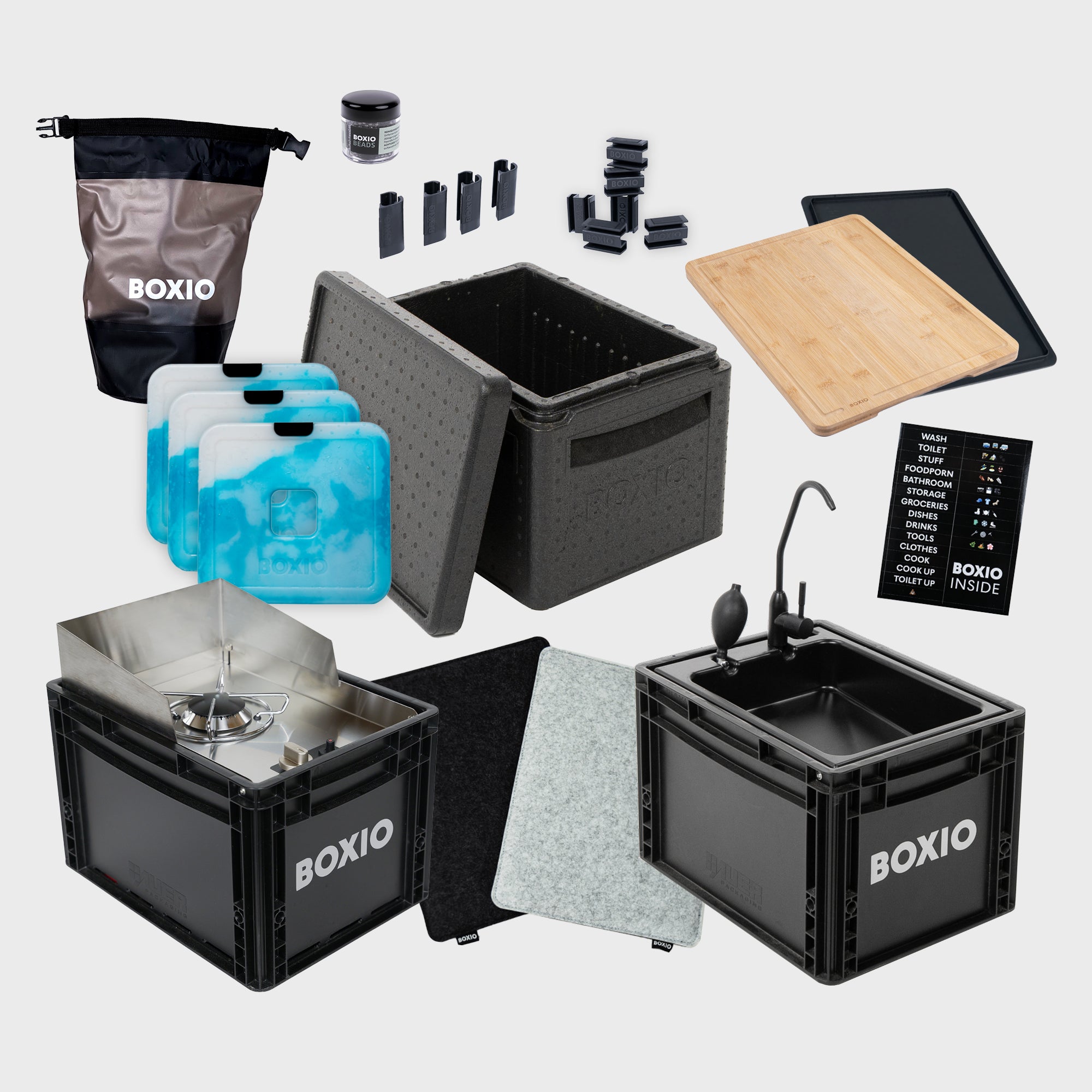
BOXIO KITCHEN BUNDLE | Outdoor kitchen
When should you hit the road with your new camper?
Once you’ve finally found your vehicle, there’s no reason to wait another day. Grab a mattress, pack everything you think you’ll need into boxes and bags, and then head out somewhere for the weekend. Next time, you can screw together a makeshift bed frame from a few scraps of wood or bring along a cozier lamp. But don’t wait until the camper is supposedly perfect and finished—just get some experience under your belt and hit the road! Maybe a kit or a ready-made module is a good solution to get you started quickly. Especially in the beginning, your vision of the perfect camper will change dramatically.
Once you’ve had your first few trips and are starting to get a sense of what you want your camper to be like, it’s time to move on to detailed planning. Look forward to a wonderful period of creativity where you can learn new skills and keep pushing yourself to new heights!
Your checklist for buying a vehicle?
Here’s a summary of what you should look out for.
-
Vehicle size suited to your intended use
-
Determine your comfort level
-
Check for rust, mileage, and service history
-
Take a test drive and note any issues
-
Check forums for common issues with the model
-
Have the vehicle inspected (for damage, equipment)
-
Request complete documentation
-
Be wary of evasive answers
-
Accident damage, incomplete history, repair work
-
Consistently apply your own exclusion criteria
-
If in doubt, use an independent expert inspection (TÜV, KÜS, GTÜ)
A quick summary:
What vehicle size is right for my van life?
You should determine how often you’ll park in cities, whether you’ll need to park in underground garages, how many people will be riding with you, and what equipment you’ll be transporting. Then decide how much comfort you need on the road—from a simple mattress to a small apartment on four wheels.
How important is the vehicle’s technical condition when buying?
Very important. A cheap vehicle can end up costing a fortune later on if the first breakdown happens right after you’ve finished converting it. Check for rust, mechanical condition, service history, and known weaknesses of the model. Cutting corners on the base vehicle is one of the most common mistakes.
What other factors play a role in choosing a vehicle?
Travel destinations, climate, parking habits, and the amount of off-road driving should influence your choice. In warm regions, light colors are a good idea; on unpaved roads, four-wheel drive can be important. Also check the availability of replacement parts, especially for older models.
How can I best prepare to buy a vehicle?
Do thorough research in forums, groups, and user reviews. Compile a list of common issues with the model and flag those you can’t repair yourself. Use FIN checks to verify for damage, theft, or previous accidents. If you’re unsure, impartial purchase advice from TÜV or similar organizations can be helpful.
What red flags should I take seriously when considering offers?
Sellers who are curt, refusal to provide the VIN, missing service records, known accident damage, or conspicuously emotional sales pitches. “Project cars” are particularly risky, as they’re rarely well-documented and often difficult to assess. If any of your personal red flags appear, walk away from the purchase.
Are “project” vehicles recommended?
Usually not. Often, a lot of work has been started but little has been properly finished. It’s difficult to estimate the cost, and you’ll frequently have to remove everything and start over. They only make sense if the price is significantly lower than that of a bare-bones vehicle and the installed parts match your specifications exactly.
What should I do once I’ve found a suitable vehicle?
Take it for a short test drive right away. Pack a mattress and the essentials, and test the van in everyday use. The sooner you gain initial experience, the clearer it will become what your conversion will really need to be able to do later on. Perfection right from the start isn’t necessary.
What happens after your initial experiences?
Once you know what’s important to you in everyday life, the actual conversion planning begins. This is where the layout, storage concept, lighting design, and comfort details take shape. With every step, your camper becomes more and more your own personal project.
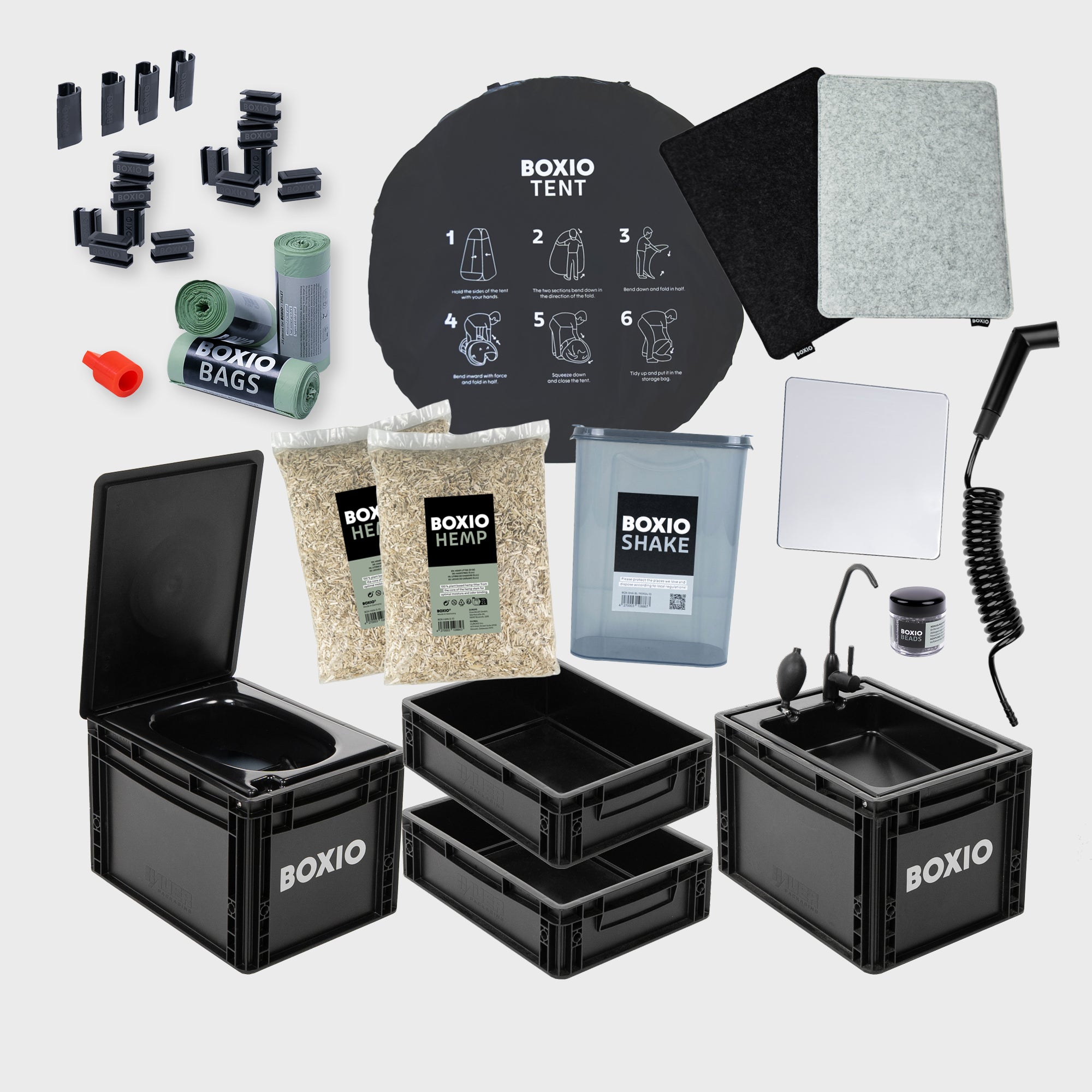
BOXIO SANITARY PLUS | Mobile bathroom with TENT
Outlook
In the next blog post, we’ll dive into the basics of the conversion. Insulation, subframes, lighting, and ventilation will take center stage. I’m looking forward to it, and until then, I hope you enjoy working on your project!