


How a Separation Toilet Works: A Detailed Explanation
Discovering the freedom of the open road, exploring faraway places, and leaving everyday life behind—that’s van life. Whether you’re alone with a gripping book at sunset or an adventurous couple traveling the world in your own converted van—the van life movement is growing steadily. But for all the romance, there’s a practical question: How do you take care of business while on the road? Converting a van can be expensive, so a cost-effective yet practical solution is needed. That’s where the dry toilet comes in—a clever companion for all van life enthusiasts. In this guide, we’ll explain how the popular “camper toilet” works!
What is a dry toilet?
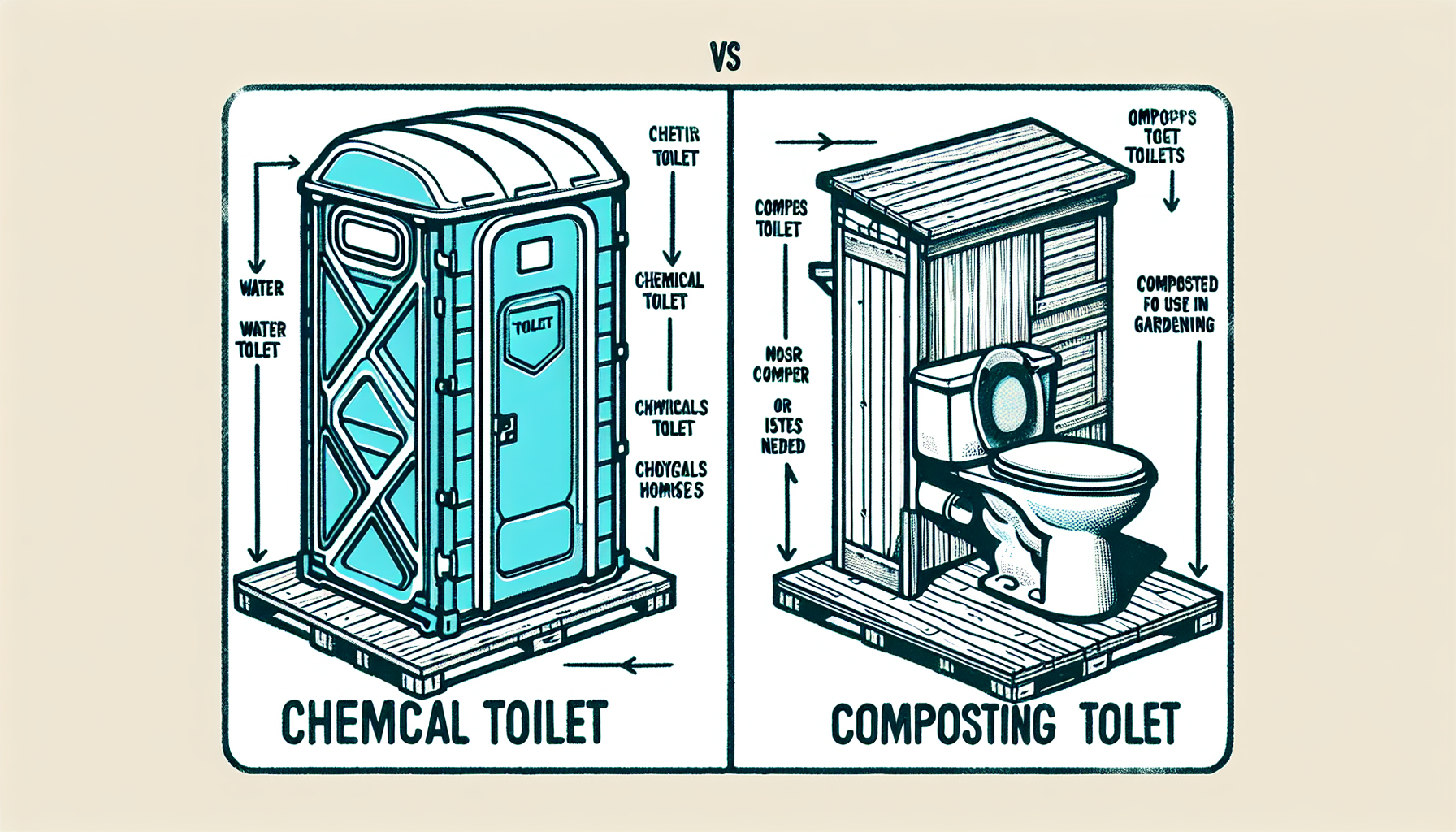
A dry toilet (also known as a separation toilet or composting toilet) is a toilet without a water flush, in which solid waste is collected in a designated container and separated from the urine. In places not connected to a sewer system, the separation toilet is a low-odor, economical, and eco-friendly alternative to a chemical toilet. The fecal matter can then be reused as fertilizer in an environmentally sound way. Among other things, this saves water and reduces the burden on wastewater treatment plants and landfills. This way, you can make a personal contribution to environmental protection and feel good about it afterward.

Tip: Which portable toilet is best suited for your needs? Read more here:“Camper Toilet: Using the Restroom While Traveling in a Motorhome.”
How is a separation toilet constructed?
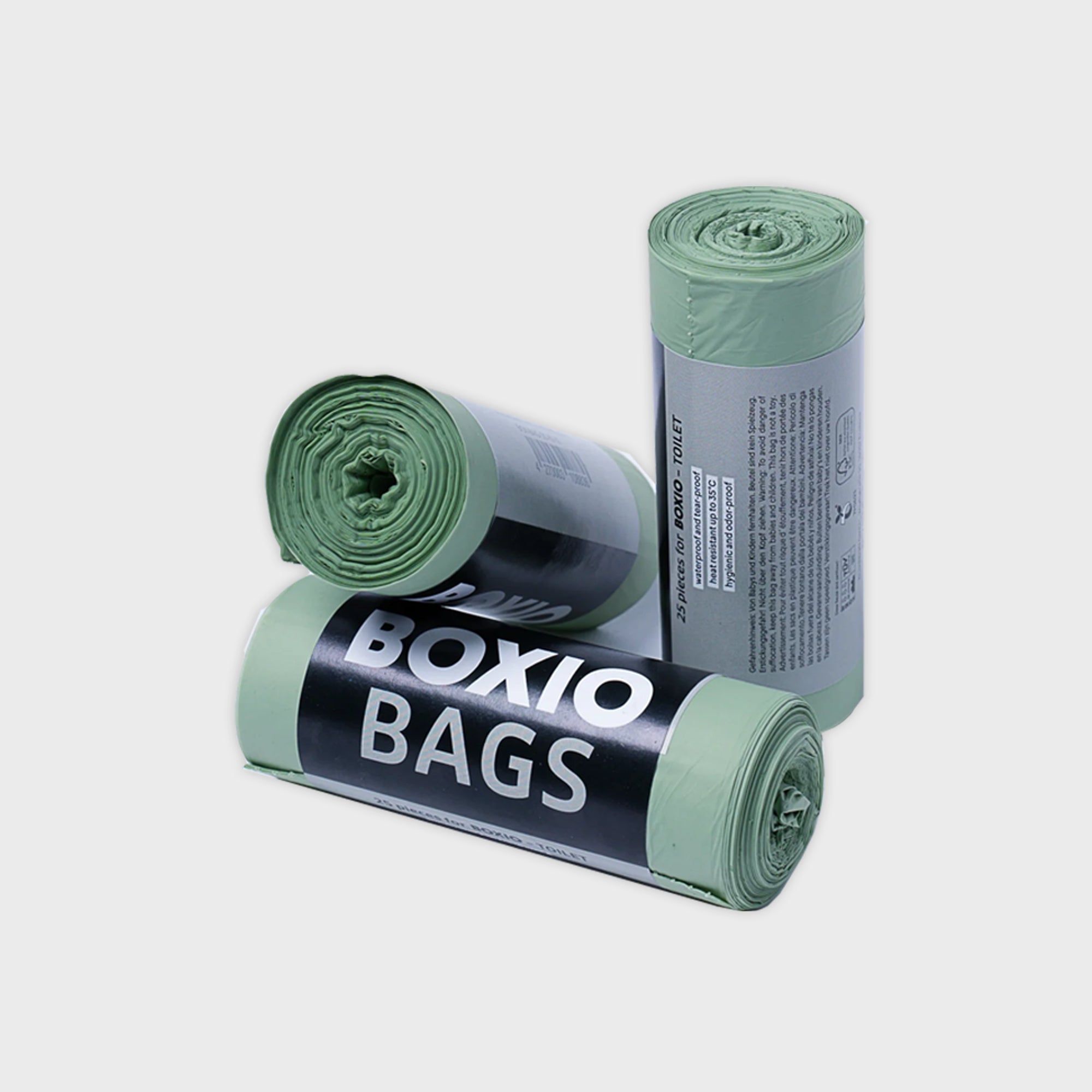
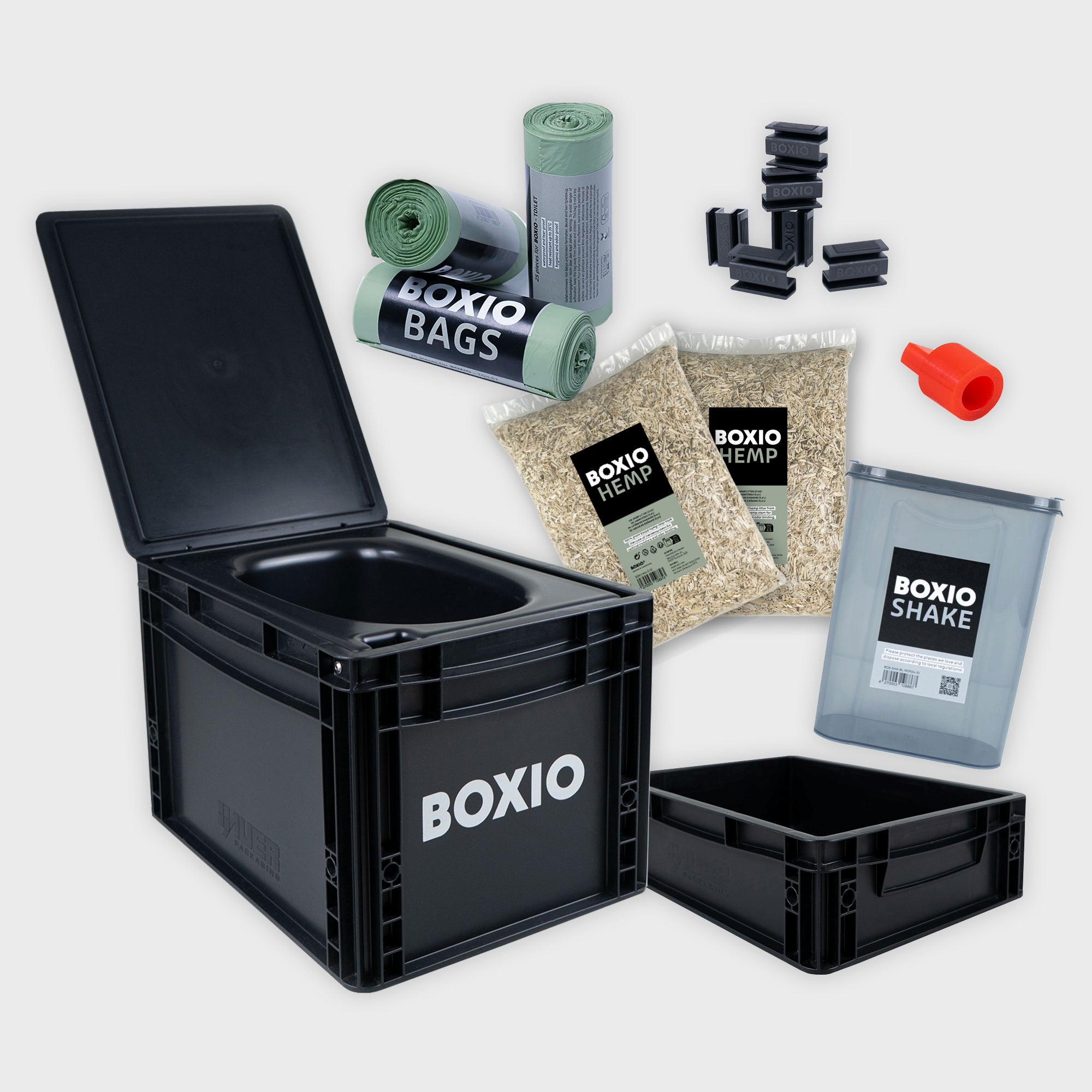
The classic dry toilet consists of three components: the separation insert, the solid waste container, and the urine canister. Additional accessories include, for example, compostable bags and litter for the solid waste, so you’re fully prepared for your upcoming van trip. The structure of a separation toilet and its individual parts are shown below:

(1) Separation insert
What is the function of the separation insert? It serves to separatethe solids from the urine. We tested seven different prototypes until we and the numerous test subjects were satisfied with the result. To clean it, you can remove the separation insert from the box and rinse it off. We recommend using an eco-friendly, biodegradable cleaner.
(2) Solid waste container
The solid waste container collectsthe solid wasteproduced. During use, it contains a bag that must be disposed of and replaced depending on how often the system is used. You can also mix hemp bedding into the waste to prevent unpleasant odors and absorb moisture. The bedding is absorbent, and mixing the waste with the bedding makes it easier to compost.
You should also clean the solid waste container regularly to maintain hygiene. For cleaning, we also recommend using biodegradable cleaning products. Afterward, the solid waste can be composted. Make sure the composting process is complete before spreading the compost on a garden bed.
(3) Urine Canister
The last important component of the dry toilet is the urine canister. As the name suggests, this is where urineis collected separately from the solids. A dry toilet is not designed to store urine in the canister for long periods. You should therefore empty it every two to three days to prevent unpleasant odors from developing.
Tip: You can dilute the urine 1:10 with water and use it for watering your garden!
Now it’s important to understand how the separation toilet actually works and what you need to pay special attention to when using it.
Dry Toilet: How It Works in Detail

Models like the BOXIO toilet work without water or chemicals—they’re simple and eco-friendly. Let’s take a step-by-step look at how to use it!
1. Purchase
You can purchasethe BOXIO toilet online. It’s delivered in a package that contains all the necessary components.
2. Assembly
The BOXIO Toilet consists of three main components: the separation insert, the solid waste container, and the urine canister.
Tip: In this video, we show you exactly where and how to use the included screws.
3. Usage
First, flip up the separation insert and linethe solid waste container with a tear-resistant, compostable bag. Then add a handful of hemp bedding. Don’t forget to unscrew the lid of the urine canister—and you’re all set to go! The liquid and solid waste are separated by the separator insert and collected in separate containers. This reduces odors and allows for targeted recycling or disposal.
4. Disposing of Waste
The solid waste falls into the solid waste container and can be disposed of using compostable bags and bedding material for solids. The urine is directed into the canister.
Caution: When disposing of solid waste and urine, make sure to do so at the designated locations. Please ensure that these areas are not contaminated. In the past, this has increasingly led to complaints from residents and “No Dumping” signs posted by the authorities.
5. Cleaning the Toilet
After disposing of the waste, you should clean the toilet. It is very important to thoroughly clean all parts to prevent odors and ensure good hygiene.
Tip: Use BOXIO-Clean! It’s an eco-friendly cleaning concentrate that’s versatile enough to be used as an all-purpose, bathroom, and toilet cleaner.

BOXIO – TOILET: THE DRY TOILET
- Made in Germany
- Fair value for money
- Space-saving solution
- Box and divider made from recycled material
- Durable and sturdy box in Euro format (40x30)
- Smooth surfaces and washable plastic
- Convenient divider insert
What problems might women have with separator toilets?
Dry toilets aren’t luxury toilets—that much is clear. So could it be that (especially) women might have trouble using separation toilets?

Yes, there may be some occasional difficulties at first, especially if you’ve never used a dry toilet before. Even if you’re on your period, it takes a little getting used to using the portable toilet. But these initial difficulties are easy to overcome!
- Aiming: It takes a little practice to get the urine to land precisely in the urine canister and the solids in the container behind it. But if, despite your best efforts, you miss the mark, it’s no big deal.
- Menstrual cup: You can easily use your menstrual cup while on the go. It’s best to empty it into the solid waste container of your composting toilet.
- Tampons and pads: You can also dispose of disposable products like tampons or pads directly into the rear container of the toilet or in a separate trash can.
So you can use the composting toilet as usual during your period. It even offers you some advantages, such as a private and stress-free space to take care of your period without having to resort to a public restroom.
Tip: A dry toilet is often a blessing for children, too. Read more about this in our article:“Toilet for the Car: How to Avoid Accidents on the Road!”
Can the dry toilet also be used if you have diarrhea?
Let’s move on to a topic that’s anything but pleasant, but also important: Separating toilets + diarrhea—does it work?
You can still use your dry toilet even if you have diarrhea. However, you should take a few extra precautions in that case.
- Add more litter: If you have diarrhea, simply add more litter to the solids container. The extra litter helps absorb the liquid.
- Change the bag more often: If you have diarrhea, you should change the bag in the solid waste container more frequently. This helps ensure proper hygiene and minimize odors.
-
Use a separate solid waste container: If the diarrhea is caused by an illness, you should use a separate solid waste container. This helps prevent the spread of pathogens.
Dry Toilet: Conclusion
Now that we’ve taken a detailed look at how a dry toilet works, we can conclude that this alternative, waterless toilet solution —especially in the context of van life —offers many advantages.
- It efficiently collects solid waste and urine in separate containers, requires no water connection, can be set up anywhere, and is therefore odor-free, economical, and environmentally friendly.
- Using it is a breeze.
- Disposing of the waste afterward is incredibly easy thanks to compostable bags.
Despite occasional challenges when using it during menstruation or when suffering from diarrhea, dry toilets offer a versatile, sustainable, and practical solution for everyday camping life.
Dry Toilet: FAQ
How does a dry toilet work?
A dry toilet works by separating solid and liquid waste into separate containers. Solid waste is covered with litter to reduce odors and aid the drying process, while urine is collected separately.
How do you use a dry toilet?
Here’s a quick step-by-step guide on how to use it: 1️⃣ Just sit down and go as you would on a regular toilet. 2️⃣ Dispose of the toilet paper in the solid waste container or separately. 3️⃣ Sprinkle the odor-absorbing hemp bedding over the solid waste.
Where does the urine from a dry toilet go?
The urine from a dry toilet is usually collected in a canister. With the BOXIO toilet, this canister is located directly beneath the opening. Once the urine canister is full, it can be emptied in a public restroom, for example.
Where should you put the toilet paper in a separation toilet?
Toilet paper can be thrown into the solid waste container. Any standard toilet paper can be used with a separation toilet. Afterward, cover the solid waste with a little litter. The trash bag and its contents can be easily and safely disposed of with the general waste.
How does a dry toilet work at a campground?
A dry toilet at a campground also works without water. This system conserves resources and is particularly suitable for sites with limited access to water or in nature reserves.
How does a dry toilet in a motorhome work?
A dry toilet in a motorhome works as follows: It separates solid and liquid waste into separate containers, using litter to control odors and dry the feces.